
frosted fluted glass
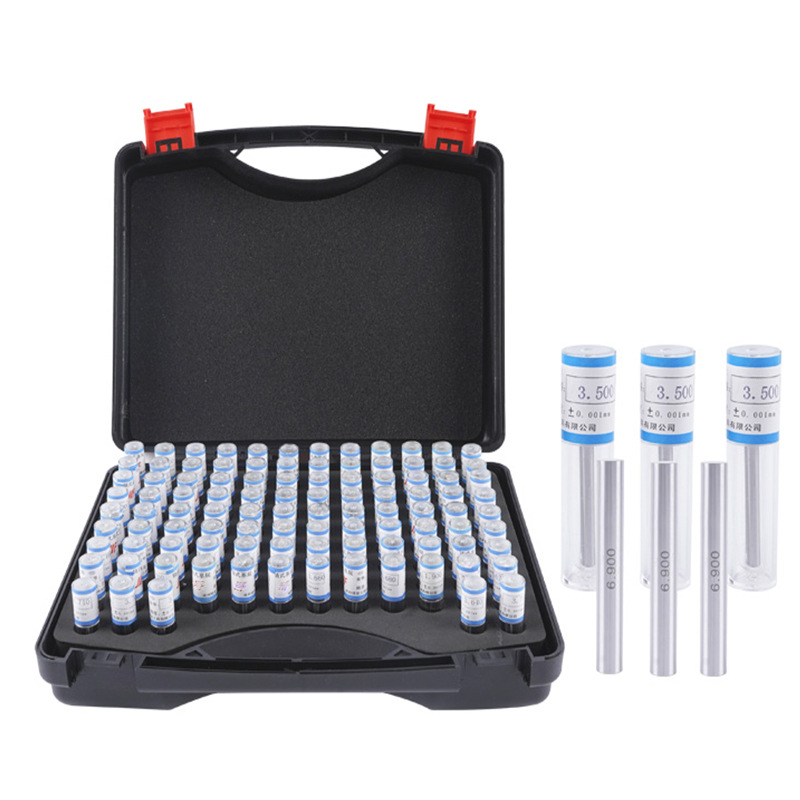
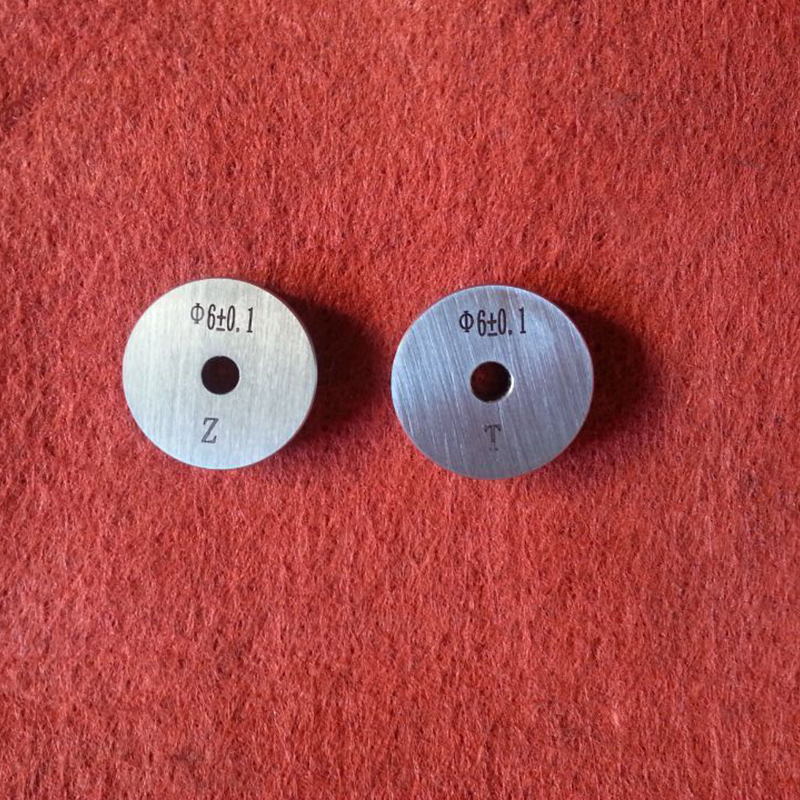
Understanding Spline Go/No-Go Gauges A Comprehensive Overview In the field of precision engineering, the need for accurate measurement and validation of component dimensions is paramount. One essential tool in this regard is the spline go/no-go gauge. This specialized gauge is designed to ensure that spline features—used extensively in mechanical systems for power transmission and alignment—meet specific dimensional standards. This article provides an in-depth look at spline go/no-go gauges, their purpose, design, and application, as well as their significance in quality control processes. What is a Spline Go/No-Go Gauge? A spline go/no-go gauge is a device used to check whether a spline fits within specified tolerances. Splines are ridges or teeth on a shaft that assist in transmitting torque and aligning components. The go/no-go gauge consists of two parts the go gauge and the no-go gauge. The go gauge is designed to fit onto the spline if it is manufactured correctly, indicating that it meets the minimum tolerance specifications. Conversely, the no-go gauge is meant to not fit onto the spline if it is within acceptable tolerances. If the no-go gauge does fit, this signifies that the spline is out of tolerance, which could lead to performance issues or failure in coupling the necessary components. The Importance of Go/No-Go Gauges Quality control is crucial in manufacturing processes, particularly in industries such as automotive, aerospace, and machinery, where component failures can have severe consequences. Spline go/no-go gauges play a significant role in maintaining quality by facilitating rapid inspection. These gauges provide a clear and straightforward binary result—the presence or absence of fit—allowing operators to quickly ascertain whether components conform to specifications. Using go/no-go gauges also reduces human error in measurement processes. Traditional measurement tools like calipers or micrometers require careful handling and interpretation of readings, which can introduce variability in outcomes. In contrast, the simplicity of the go/no-go design means that the operator can easily determine compliance without complex calculations. Design and Construction spline go no go gauges The design of spline go/no-go gauges can vary significantly based on the application and the specific spline profiles being measured. They are typically made from high-strength materials such as hardened steel or carbide to ensure durability and maintain precision over time. The gauging teeth must be meticulously shaped to match the profile of the spline being tested—whether it is involute, square, or some other form. A well-engineered spline gauge will come with clear markings indicating the go and no-go sections to avoid any confusion during inspections. Additionally, many manufacturers incorporate features that allow for easy handling and use, such as ergonomic grips and protective casings, which help prolong the life of the gauges. Applications of Spline Go/No-Go Gauges Spline go/no-go gauges are widely used across various industries. In automotive manufacturing, for example, they are crucial for verifying the dimensions of axle shafts and gear couplings, which need precise fits to ensure functionality and safety. In aerospace, these gauges can be used to inspect connecting components within engines and other systems where precision is critical. In the realm of general machinery, spline gauges help in validating parts used in gear transmissions and conveyor systems, among others. By ensuring that these components are produced within acceptable tolerances, manufacturers can reduce the risk of mechanical failures and enhance the reliability of their products. Conclusion In summary, spline go/no-go gauges are vital tools in the arsenal of precision manufacturing, ensuring that spline features meet stringent industry standards. Their simplicity, reliability, and efficiency make them indispensable for quality assurance processes. As technology continues to advance, the design and functionality of these gauges may evolve, but their fundamental role in ensuring precision will remain critical to the success of manufacturing operations across various sectors. Adopting efficient inspection methodologies, including the use of go/no-go gauges, enhances the overall quality and performance of engineered systems, reinforcing the importance of precision in today’s competitive manufacturing landscape.
about
frosted fluted glass
When it comes to kitchen essentials, few tools offer the versatility and necessity of a strainer. Among the various types available, the strainer type y stands out for its exceptional functionality and efficiency. Home cooks and professional chefs alike can benefit from integrating this specific type of strainer into their culinary toolkit. Its unique design combines practicality with durability, making it an indispensable asset in any kitchen setting. Strainer type y is crafted with a focus on optimal filtration , allowing for a multi-purpose use that can handle a diverse range of kitchen tasks. From sifting dry ingredients such as flour and sugar to draining pasta or rinsing vegetables, its tightly woven mesh ensures that even the finest particles are filtered efficiently, without compromising on speed. This feature alone makes it especially valuable in tasks requiring precision, such as baking or preparing recipes where consistency is key. One of the paramount advantages of the strainer type y is its durability and build quality. Constructed from high-grade stainless steel, it resists rust and corrosion, ensuring longevity even with regular use in a busy kitchen environment. The durable construction also facilitates an easy cleaning process, either by hand or in a dishwasher, enhancing its user-friendliness. Additionally, this material choice aligns with modern kitchen trends, which prioritize non-reactive tools that do not impart unwanted flavors or chemicals to food. Ergonomics and user experience have not been overlooked in the design of strainer type y. The handle is often designed for comfort and safety, providing a secure grip while preventing heat transfer, which is crucial when dealing with hot liquids or food. Moreover, some models come with additional features like non-slip bases or hooks for hands-free operation, further improving usability and reducing the potential for accidents or spills. strainer type y Professionals in the culinary field value strainer type y not just for its practical features, but also for its contribution to achieving the highest quality of culinary execution. The precise perforation technique ensures consistent results, a non-negotiable requirement in the fast-paced environment of a professional kitchen. Chefs can rely on these strainers for tasks ranging from clarifying stocks and broths to creating silky-smooth sauces and soups. From a consumer's perspective, trustworthiness is established through the testimonies of numerous users who vouch for the strainer type y's performance. Reading through user reviews, one finds a common thread of satisfaction pertaining to its resilience and effectiveness. This level of user endorsement reflects on the product’s authority and effectiveness in solving everyday kitchen challenges. For households conscious about sustainability, investing in strainer type y aligns with eco-friendly practices. Its durability reduces the need for frequent replacements, thereby minimizing waste. This sustainable approach not only saves money but also supports environmental responsibility by reducing the overall consumption of kitchen tools. In summary, the strainer type y offers a combination of efficiency, durability, and versatility, making it a must-have in modern kitchens. Its proven performance and strong consumer trust reinforce its status as a reliable kitchen companion. Whether you're a home cook eager to explore culinary possibilities or a seasoned chef in need of a dependable tool, this strainer presents a compelling choice that delivers on both promise and performance. With such a comprehensive range of advantages, it is no wonder that strainer type y remains a consistent favorite among kitchen professionals and enthusiasts alike, carving its niche as an authoritative presence in the realm of kitchenware.
-

High quality industrial productsagement

High quality industrial products
View Details -

Meet the diverse needs of customers

Meet the diverse needs of customers
View Details -

Strict quality control

Strict quality control
View Details -

Top raw materials

Top raw materials
View Details -

Trusted supplier

Trusted supplier
View Details
Our application

news and information
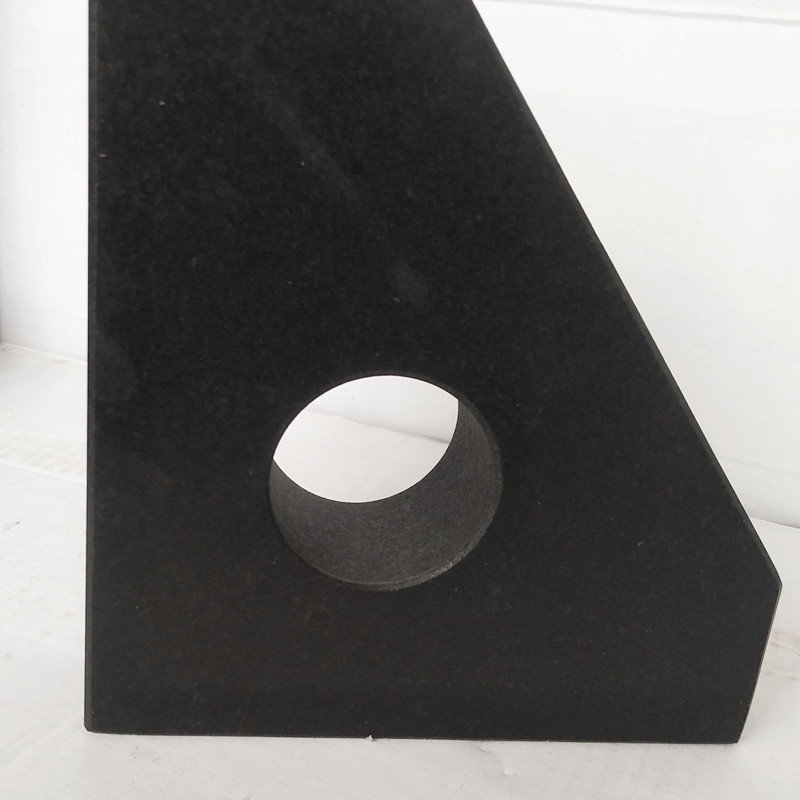
Water Strainer for Efficient Filtration and Reliable Performance in Various Applications
Understanding the Y-Type Water Strainer A Key Component in Fluid Systems In industrial and municipal
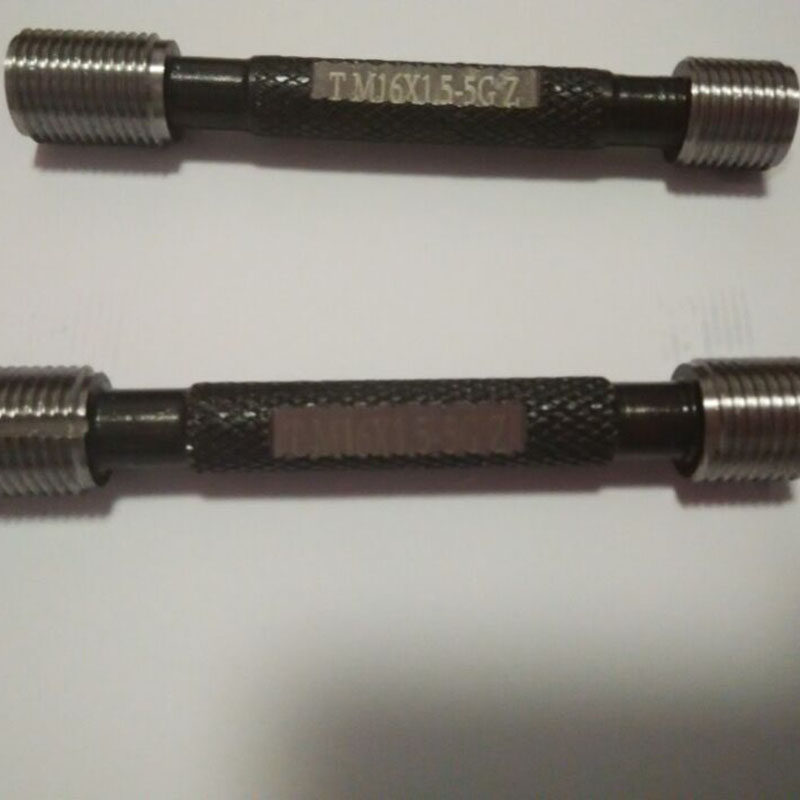
Wählen Sie Schnappmesser
Der Dial-Snap-Gauge ist ein essenzielles Werkzeug in der Welt der Messtechnik und Qualitätssicherung
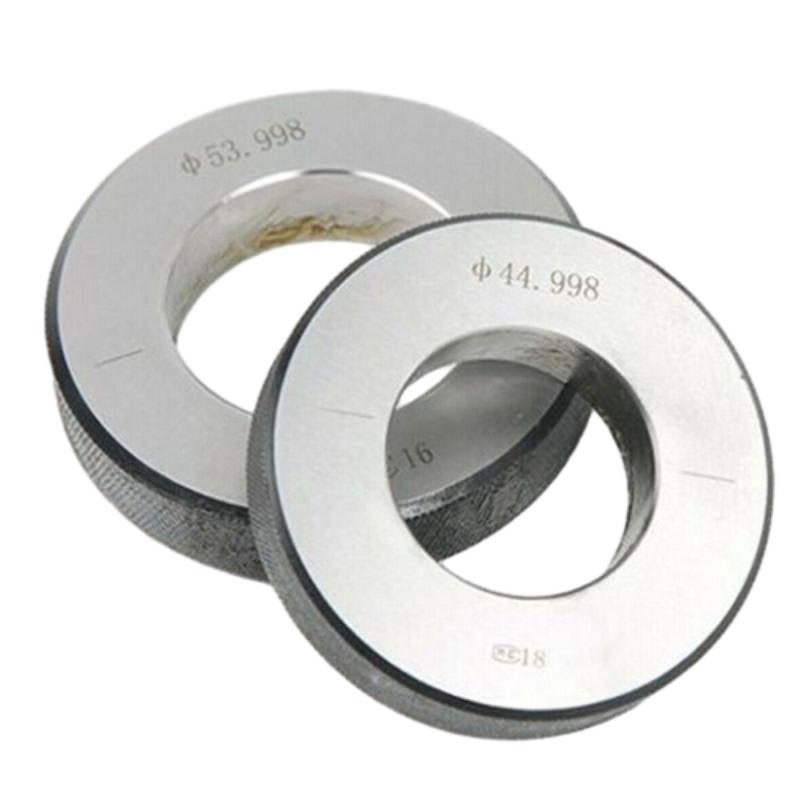
Y Type Strainer Compatibility with Corrosive Fluids
In industrial fluid systems where corrosive media like acids, alkalis, or saline solutions flow, mai
 English